When your dog starts barking excessively, jumping on people, struggling with bathing, having toilet-training problems or developing an unwanted habit, it is easy to think, “My dog needs professional training.”
But many everyday dog problems are influenced by routines, repeated responses and habits developed at home. Sometimes the dog is not deliberately being “bad”, they may simply have learned that a particular behaviour works.
And without realising it, we as pet parents can sometimes strengthen the very habit we later want to stop.

Dogs learn from patterns and consequences. A response that feels harmless when a puppy is small can become an established habit when it is repeated over time.
A small puppy jumps when you come home. You smile, touch the puppy, speak excitedly or give attention. The puppy may learn that jumping makes interaction happen.
Months later, the same dog is much larger and the jumping is no longer cute. The dog may not have suddenly developed a “bad” habit, the behaviour may have been unintentionally reinforced from puppyhood.
A puppy does not automatically know where your family expects toileting to happen. Timing, supervision, routine and reinforcement all matter.
In many cases, pet parents first need a clear puppy toilet-training routine and an understanding of what behaviour they are rewarding rather than automatically committing to a long training package.
A dog that runs away, struggles or becomes uncomfortable during bathing is not necessarily being stubborn. Previous experiences, handling, the environment and how bathing was introduced can all influence the response.
For suitable cases, changing how the process is introduced and managed may be the first step.
Barking can happen for many reasons and should not automatically be treated as disobedience. If barking repeatedly produces attention, interaction, access or another predictable result, that response can become part of the pattern.
Before asking only “How do I stop the barking?”, it can be useful to ask “Why is my dog barking, and what happens immediately before and after it?”
Not every everyday concern requires multiple home visits or a long dog-training package. Some situations genuinely need in-person observation and hands-on training. Others may improve when the pet parent understands the pattern and changes the routine, timing or response around it.
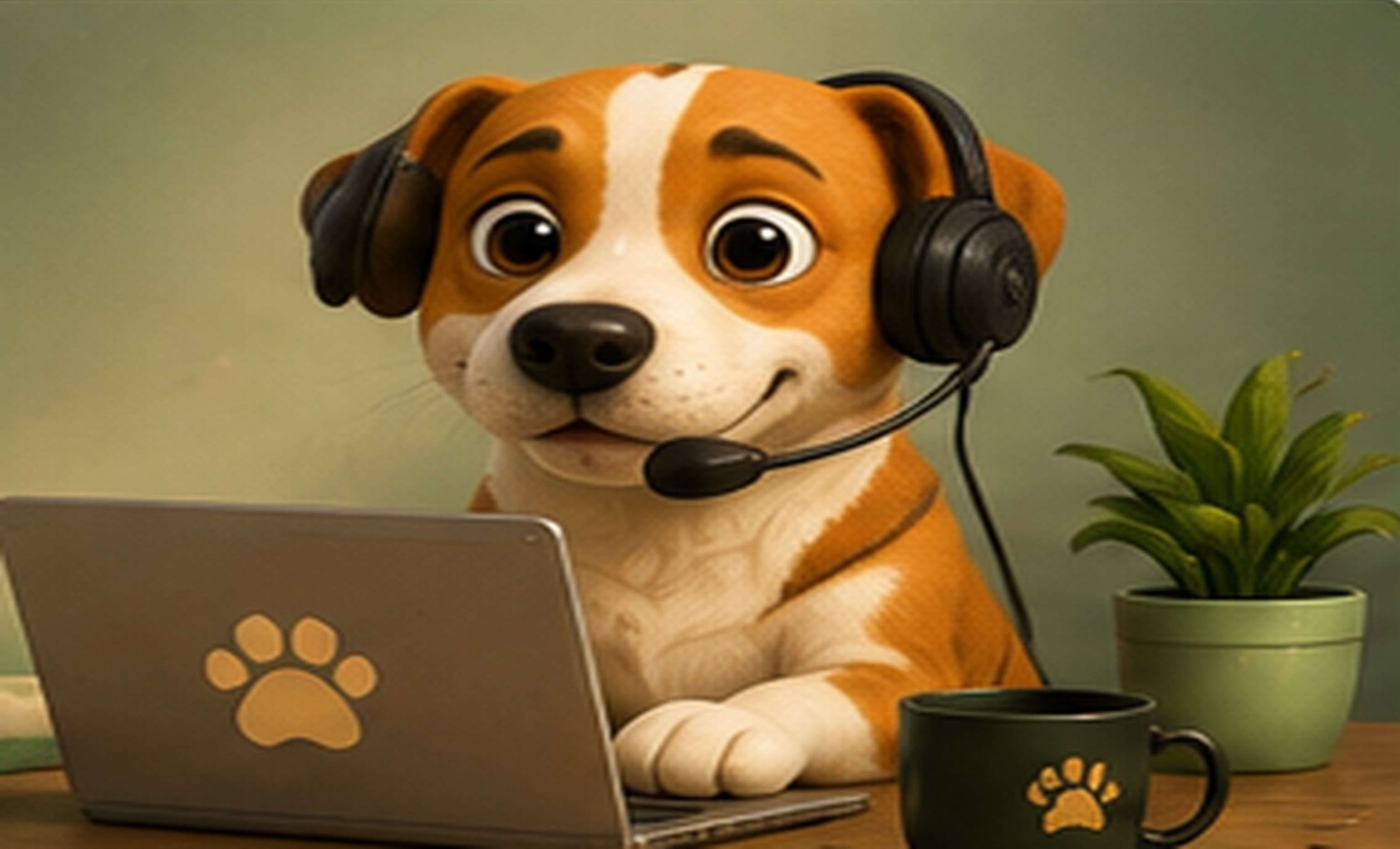
That is where an online dog consultation can be a useful first step: helping you understand what may be happening and what you can begin doing differently at home.
Dogs experience hundreds of small interactions with their families every day. Attention, timing, consistency, routines and consequences can all influence which behaviours become stronger and which fade.
Look beyond the unwanted behaviour and notice what normally happens immediately before and after it.
Sometimes improving the pet parent’s timing, routine or response changes what the dog learns from the situation.
If the concern requires direct observation, practical handling or repeated work with the dog, an in-person training visit may be the better next step.
You can book an online consultation for a specific concern, a collection of smaller questions or simply to review the routine and approach you already follow with your dog.

Barking, lunging, over-excitement, guarding, reactivity, difficulty settling or other behaviour that feels confusing or difficult to manage.
Why might this be happening and what should I change first?Jumping, chewing, stealing food, counter surfing, door rushing, attention-seeking, digging or habits that have gradually become part of daily life.
Are we accidentally reinforcing this habit?Biting, toilet training, crying, chewing, sleep routines, early manners, social experiences and what pet parents should prioritise in the first months.
What should we focus on first with our puppy?Review feeding times, activity, rest, enrichment, walks, household rules and the everyday schedule you currently follow with your dog.
Is our routine suitable, or are we making avoidable mistakes?Leash pulling, distraction outdoors, barking at dogs or people, poor focus, pre-walk excitement or difficulty handling common outdoor situations.
What should we change before and during walks?If your dog responds to someone else but not you, listens only when food is visible or seems confused by familiar cues.
How can we become clearer and more consistent?Shy behaviour, sensitivity to sounds or situations, hesitation around people, changes in confidence and concerns about how to support the dog appropriately.
How can we support the dog without forcing them?Questions about routines, boundaries, introductions, decompression, settling into a new home and realistic expectations during the first weeks.
What should the first few weeks look like?Competition, excitement, resource-related tension, different routines, introductions or managing two or more dogs in the same home.
How should we manage the dogs together?Changes in sleep, routine, tolerance, activity or responsiveness as your dog gets older, including when a veterinary assessment may be worth discussing.
Could this be age-related, behavioural or something to show a vet?If your dog already has a diagnosed long-term condition, we can help you organise day-to-day observations, routine questions and points you may want to discuss.
What should we observe and prepare for our vet discussion?You can consult us even when nothing appears seriously wrong. Sometimes you simply want a second look at your dog’s routine, habits, activity and the approach you follow as a pet parent.
Are we doing anything we should reconsider?Many pet parents seek help only after a habit becomes difficult. A routine review can also be useful when your dog seems fine but you want to make sure the way you are raising, exercising, handling or managing your dog makes sense.
Discuss your dog’s normal day meals, walks, play, rest, training, enrichment and household expectations.
If different trainers, friends, videos or online sources tell you completely different things, we can help you organise the questions and look at the logic behind the advice.
Sometimes the most responsible next step is not training. If something sounds medical, nutritional or outside our role, we will tell you when a veterinarian or another qualified professional may be more appropriate.
You do not need technical language. Real examples from everyday life are usually more useful.
Share age, background, daily routine, living environment and what you want to discuss.
Give specific examples of the behaviour, routine or concern rather than only a general label.
Look at routine, environment, responses, habits and other factors that may be relevant.
Leave with practical points to consider and, where appropriate, a recommendation for training, veterinary care or another form of professional support.
Online consultation is useful when you want guidance, want to review a routine, clear doubts, understand a concern or decide what your next step should be.
In-person dog training is more suitable when the dog needs practical hands-on training, observation and repeated work in the real environment.
Dog Training Tricity currently provides training visits in: